Restoring the UK’s largest freshwater lake
Addressing an ecological crisis through farmer-led regenerative practices at the largest freshwater lake in the Atlantic Isles, Lough Neagh

Addressing an ecological crisis through farmer-led regenerative practices at the largest freshwater lake in the Atlantic Isles, Lough Neagh
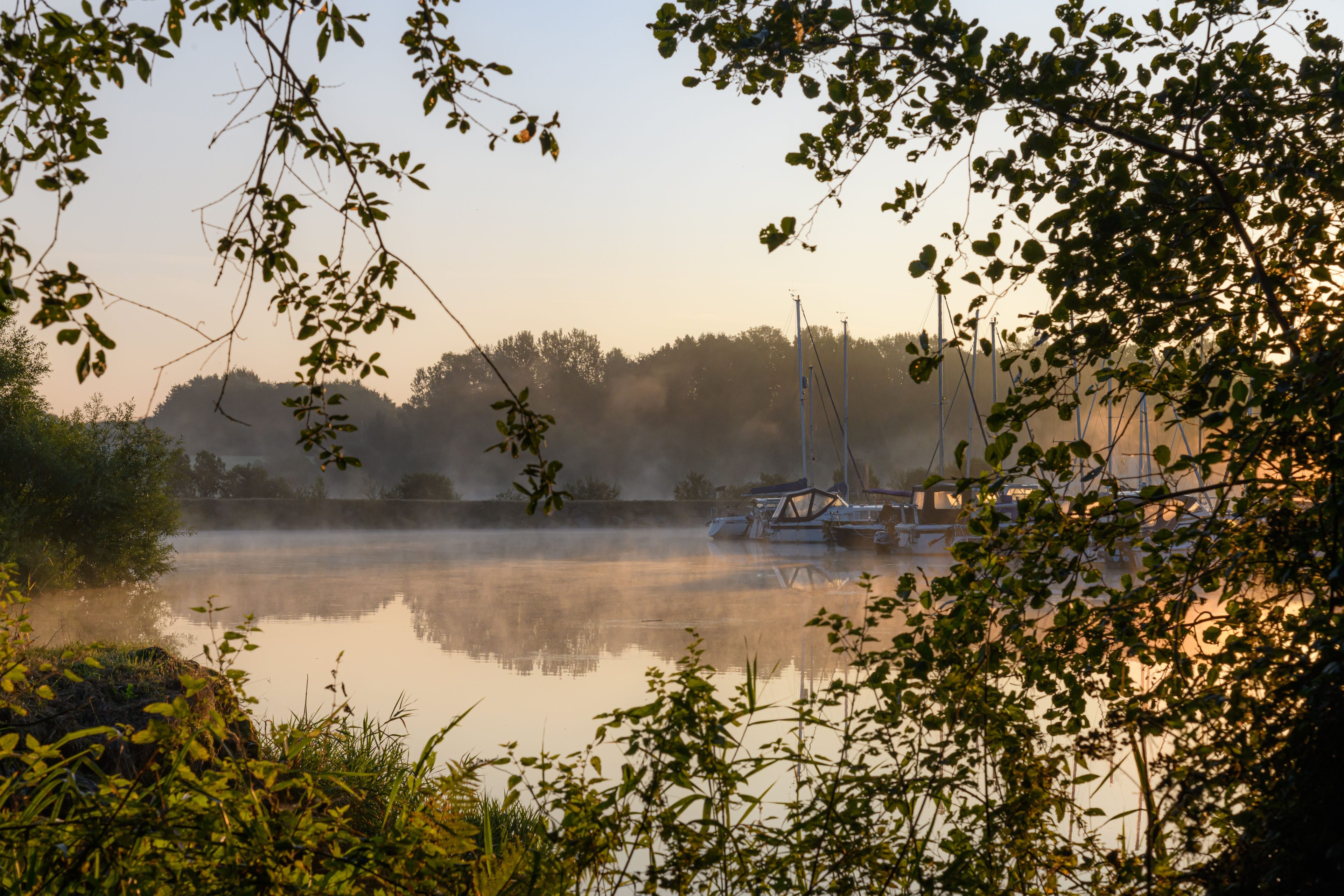


Lough Neagh is the largest freshwater lake in the Atlantic Isles and one of the most ecologically significant water bodies in these islands. Its catchment covers 48% of Northern Ireland’s total land area — a broad lowland basin fed by gentle river systems and surrounded by rolling farmland and wetland fringes. Around 750,000 people live within the catchment, with agriculture (especially grassland and livestock) dominating land use.
The lake is facing a profound crisis. Decades of excess phosphorus and nitrogen from intensive agriculture have overwhelmed its capacity to absorb nutrients. Unusually high water temperatures — amplified by climate change — have triggered massive, persistent harmful algal blooms that have made national and international headlines. Invasive zebra mussels have paradoxically increased water clarity, fuelling further algae growth and ecosystem imbalance. And fragmented governance — multiple agencies, cross-border issues between Northern Ireland and the Republic, and ageing wastewater infrastructure — has hindered any coordinated response.
Despite this, there is growing momentum among communities, agencies, and landowners to explore a transformative, collaborative approach.

Commonland is in an early assessment phase — understanding the system more deeply: who holds influence, what the underlying dynamics are, where the leverage points lie, and who might be ready to co-lead a new approach.
System sensing and assessment: Mapping the stakeholder ecosystem, power dynamics, governance structures, and potential entry points for a holistic, collaborative approach.
Farmer-led regenerative practices: Convening farmers and growers for peer learning on nature-friendly farming, hosting farm walks and workshops, and supporting practical action on nutrient cycling, soil health, and agroforestry.
Alignment with existing initiatives: Connecting farmer-led nature-based solutions with broader efforts including Forever Lough Neagh, the Lough Neagh Partnership, and the Lough Neagh Development Trust.
A Lough Neagh catchment where the ecological crisis has catalysed a new way of working — where farmers, communities, agencies, and landowners collaborate at landscape scale to restore water quality, rebuild biodiversity, and create resilient rural livelihoods.
Atlantic Isles

West England
Uniting farmer clusters for landscape-scale regeneration in the West of England

Landscape context and pressures The River Medway is one of the most polluted rivers in the UK. Running from the High Weald headwaters through water meadows to the Thames Estuary, the catchment suffers from agricultural and urban runoff, soil degradation, sewage pollution, habitat loss, and biodiversity decline — all amplified by increasing droughts and floods. […]

Community-led food systems and catchment restoration across the Tay Bioregion

Integrated catchment restoration from the Scottish Highlands to the Firth of Forth
Ireland

County Waterford
Collective action for healthy ecosystems and thriving communities in South-East Ireland